What Blocklaying Has Taught Me About a Good Start
Blocklaying is part of the practical construction work I have done over more than 19 years. People often see a completed wall…
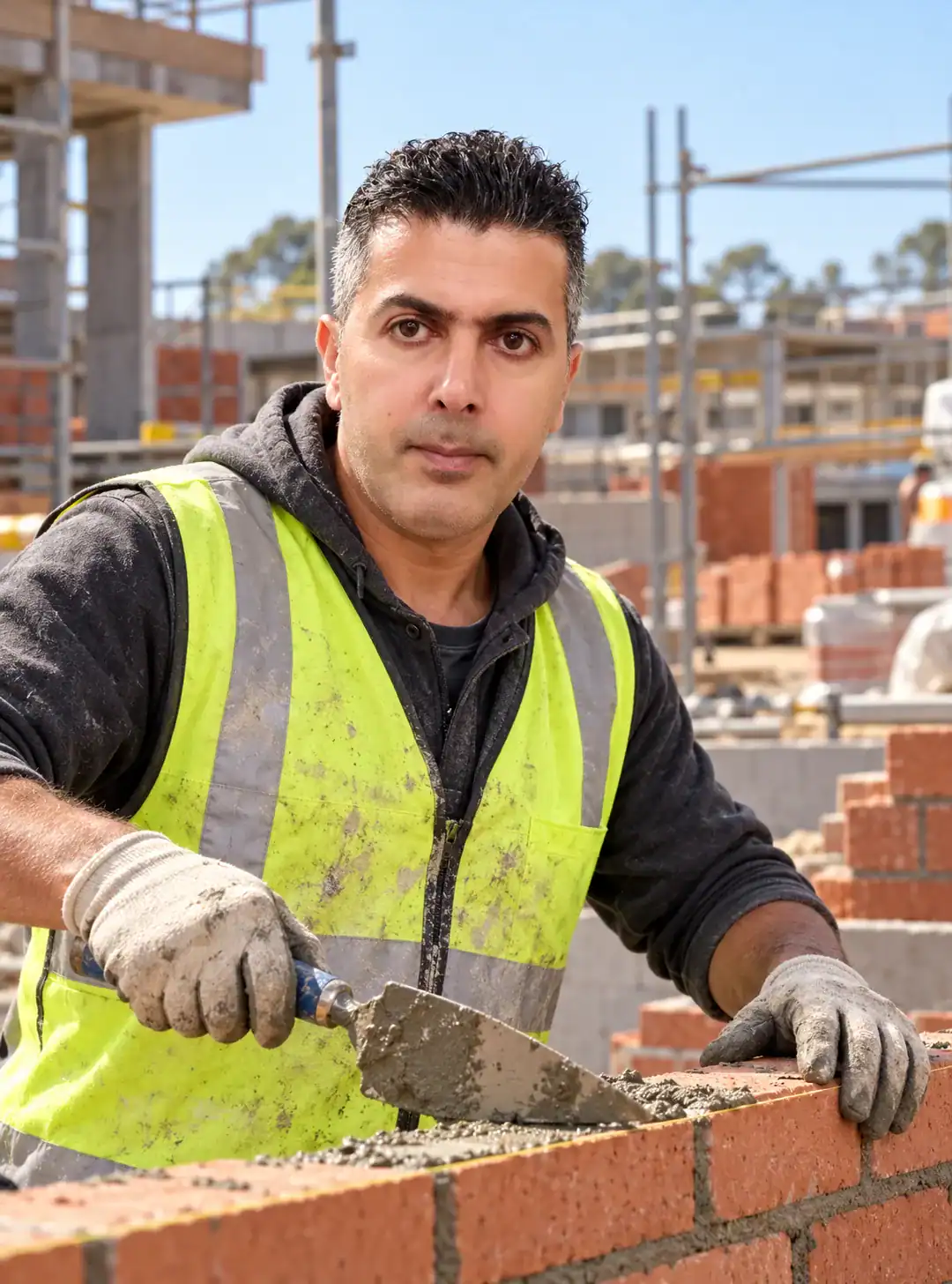
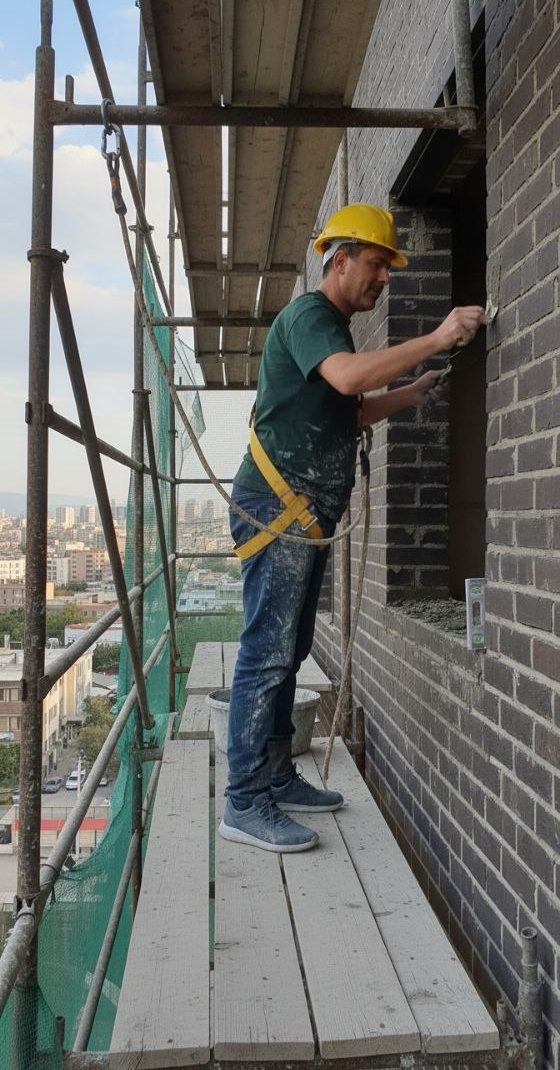
Blocklaying is part of the practical construction work I have done over more than 19 years. People often see a completed wall as one surface, but I see a series of decisions that start before the first block is placed. The positions, the base, the openings and the relationship with neighbouring work all affect what follows. This is why I spend time understanding the plan and the site before concentrating on speed.
At the beginning I check the line and level and look at how the wall will meet corners, columns or other building elements. I keep the intended openings in mind as the courses rise. If a measurement needs clarification, I ask rather than assume. A tidy first course is valuable because errors become harder to correct when they are repeated. I also watch the joints and the consistency of the work as I go.
On site, blockwork does not happen in isolation. Materials need to arrive at the right place, access has to be maintained and the work must fit with the people following behind. I try to leave the area and the wall in a condition that makes the next stage straightforward. That means checking my own work regularly and communicating early if something in the layout or sequence appears to need attention.
I am describing my working approach rather than attaching it to a particular building whose records are not available here. In my portfolio, the examples from Mazandaran and Chalus show the wider construction context in which I developed these habits. For an employer, the important point is how I work: I read the instructions, prepare carefully, keep checking the result and take responsibility for the part I have been asked to execute. Those ordinary habits are what make a reliable blocklayer useful to a site team.