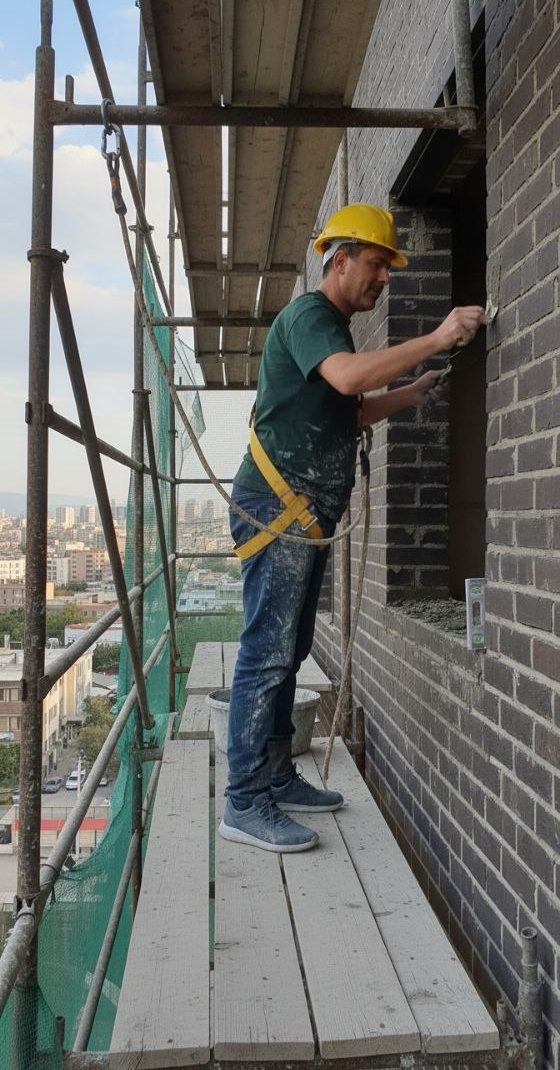
Foundation Work in Mazandaran: Starting from the Setting Out
One of the jobs I remember from Mazandaran in 2015 involved foundation work. It is easy to focus on the walls that…
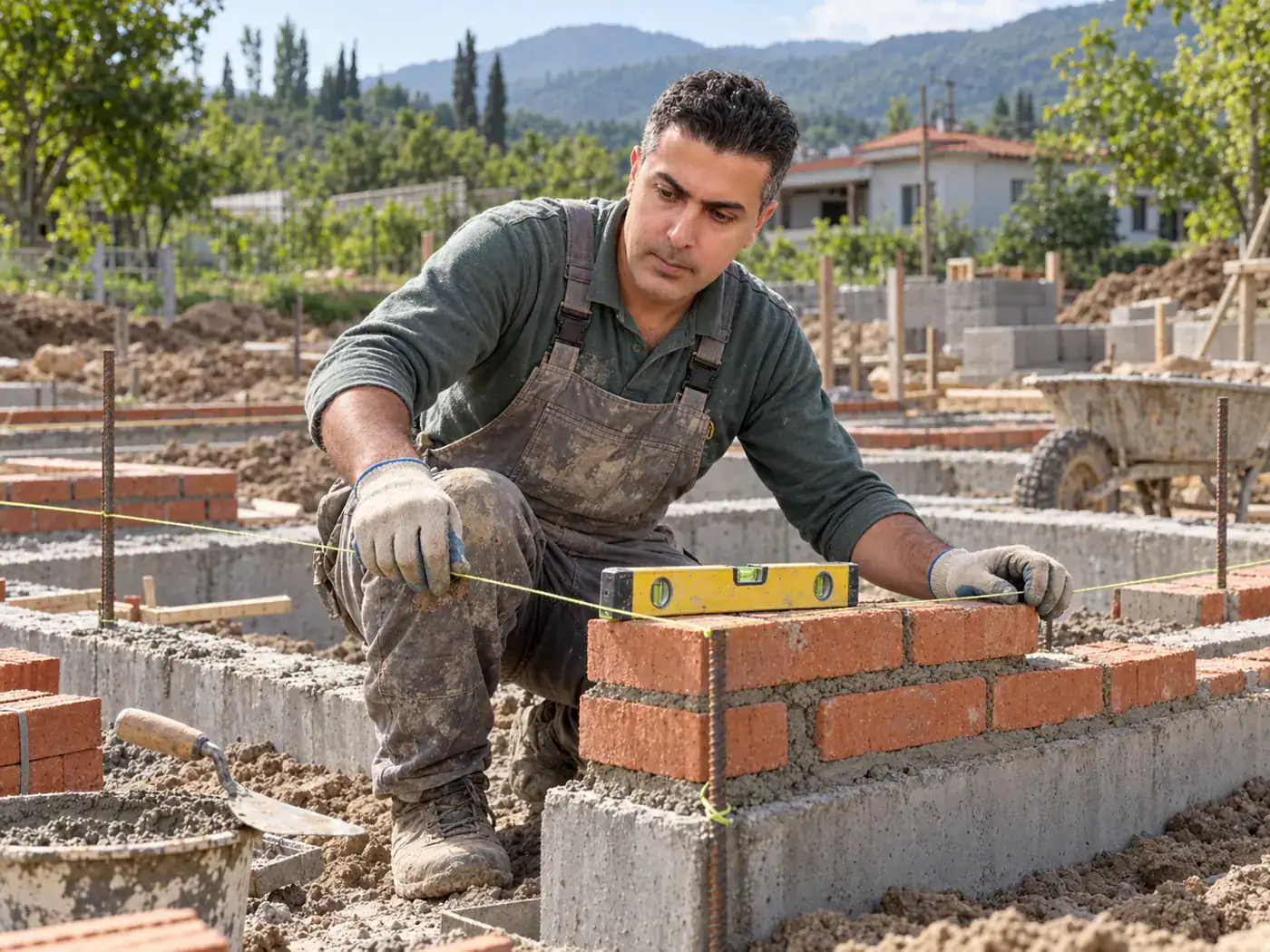
One of the jobs I remember from Mazandaran in 2015 involved foundation work. It is easy to focus on the walls that people see when a building is finished, but the work at ground level deserves just as much attention. My role was in the practical execution. I approached it as the part of the job that would shape everything built above it.
Before starting physical work, I look at the layout and the intended lines. A foundation is not a place to guess. I want to understand where the walls and structural elements are meant to sit, how the site has been set out and what needs to be checked with the team. That early attention helps avoid carrying a small error into the next stage. Once work is under way, I keep an eye on alignment and the condition of the working area, and I raise questions when something does not match the plan.
On a real site, progress is not only about working quickly. Different trades and tasks depend on one another. I have learned to coordinate my own work with the people around me, keep materials and access practical, and pay attention to the sequence of operations. A clear handover matters: the next person should be able to understand what has been completed and what still needs checking.
This project is one example of the foundation work in my construction experience in northern Iran. I do not present it as a design or engineering commission; my contribution was hands-on execution. What I took from it has stayed with me in later bricklaying and blocklaying work: careful setting out, a willingness to check details and respect for the stages that come before the visible finish. Every site has its own conditions, so I prefer to explain what I personally did and how I approached the work instead of making broad claims about the entire project.